
Key takeaways
- For most people the best foam roller under $150 is a medium-density textured roller around 13 inches long, such as the TriggerPoint GRID or the 321 STRONG…
For most people the best foam roller under $150 is a medium-density textured roller around 13 inches long, such as the TriggerPoint GRID or the 321 STRONG medium-density 3-zone roller, while beginners who find those too firm should start with a plain smooth roller and anyone chasing very deep pressure can look at knobby designs like the Rumble Roller. The cap is generous for this category, so the real decision is firmness and size, not budget.
Our top picks


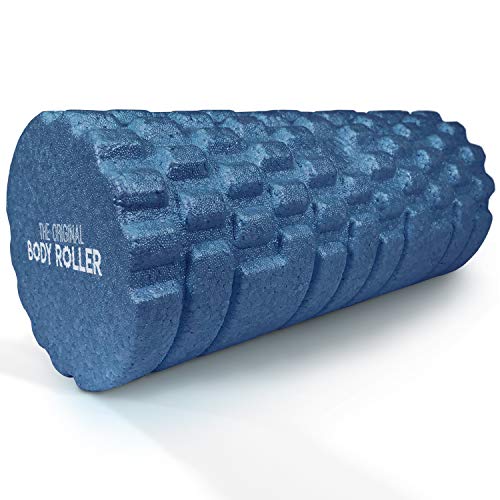

As an Amazon Associate we earn from qualifying purchases at no extra cost to you.
What a foam roller is for
A foam roller is a cylinder you lie on and roll over a muscle group, using body weight as pressure. People use it before training as part of a warm-up and afterwards as part of a cool-down, or simply to relieve a feeling of tightness after sitting. It is a self-massage tool, not a treatment. Nothing in this guide is medical advice, and if you have pain that is sharp, persistent, or follows an injury, or you have a condition such as a clotting disorder, osteoporosis or nerve problems, ask a doctor or physical therapist before rolling.
At a glance
| Roller | Best for | Stated specs | Limits |
|---|---|---|---|
| TriggerPoint GRID (1.0) | Regular users who want a firm, textured roller | 13 inches long and 5.5 inches in diameter; multi-density EVA foam surface over a hollow core; weight listed at roughly 1.3 to 1.4 lb | Firm for beginners; the weight limit is not stated consistently across listings, so read the maker’s sheet |
| 321 STRONG 3-Zone, medium density | Beginners and intermediates wanting adjustable pressure | About 13 inches long and 5.5 inches in diameter; closed-cell EVA foam over an EPP core per the maker; fingertip, thumb and palm zones; under a pound; the maker lists a 500 lb capacity | Reviewers describe it as gentler than the GRID |
| Rumble Roller (Original or Xtra Firm) | Experienced users who want deep, aggressive pressure | The maker lists three sizes: Compact (about 5 by 13 inches), Mid Size (5.5 by 22 inches) and Full Size (6 by 31 inches), with a bumpy surface over a high-density EVA core | The maker positions the Xtra Firm as its densest option, and reviewers say it is not for beginners |
| Smooth standard foam roller (generic) | First-time users and sensitive areas | Uniform smooth surface, softer foam | Soft foam can flatten over time |
Choosing density and texture
Softer and smoother
Smooth, softer foam spreads pressure widely and is the usual starting point. If you have never used a roller, it is common to be surprised by how intense even light rolling feels. A softer roller lets you learn the movements and stay relaxed rather than bracing.
Medium density with texture
The 321 STRONG medium-density roller and the GRID sit here. Textured ridges and zones mimic fingers and palms and let you vary the pressure by changing the angle or contact area. The 321 STRONG maker describes three zones meant to feel like fingertips, thumbs and palms. Reviewers describe the GRID as the firmer of the two.
Hard and knobbed
Knobbed rollers like the Rumble Roller concentrate pressure into small points. Reviewers report that this is more intense and suits experienced users who tolerate firm pressure. If you bruise easily, take blood thinners or are unsure, choose a softer roller and talk to a doctor first.
Length and diameter
A 13 inch roller, which both the GRID and the 321 STRONG use, fits in a bag, works for calves, quads, glutes and upper back, and is easy to store. A longer roller, such as the 22 inch or 31 inch Rumble Roller sizes, supports the full spine when you lie along it and suits balance work, but it takes more storage room and costs more. The 5.5 inch diameter on the models above is a common middle size. Smaller diameters tuck into the arch of the foot or the upper back but may feel harder to balance on.
Core construction
Rollers with a rigid or dense inner core, such as the GRID’s hollow core, the 321 STRONG’s EPP core and the Rumble Roller’s high-density EVA core, are built to hold their shape under repeated loading. Plain soft foam rollers are cheaper and gentler, but they can lose shape over months of regular use. If you plan to roll several times a week, a roller with a dense or rigid core is the safer long-term choice, and the maker’s care notes tell you how to keep it in shape.
Budget tiers
Budget
A standard smooth roller covers the basics. If you only roll occasionally, this is enough, and cost is small against the cap.
Mid-range
The 321 STRONG medium-density 3-zone roller and the TriggerPoint GRID belong in this tier. Both sit comfortably inside the cap, and the cap leaves room for a second roller or a massage ball.
Premium
Longer rollers, higher-density knobbed designs and vibrating models sit above standard ones. Vibrating rollers are made by several brands but this guide does not confirm any particular model, so check the maker’s page for stated specs and battery details before buying one.
Pick X if you
| If you | Pick | Reason |
|---|---|---|
| Are new to foam rolling | Smooth roller or 321 STRONG medium | Lowest pressure; zones let you build up |
| Want a firm, textured roller for routine use | TriggerPoint GRID | Multi-density surface over a rigid hollow core |
| Travel with a roller | 13 inch roller (GRID or 321 STRONG) | Light (listed at roughly 1 lb or a little more) and fits in a bag |
| Like intense pressure | Rumble Roller | Knobby design, reviewers call it deep |
| Want to lie along the spine | Longer roller (e.g., a 22 or 31 inch Rumble Roller) | Supports the full back length |
Technique and safety
- Roll slowly, about an inch per second, and pause on tender spots for a short time while breathing normally.
- Roll muscles, not joints or bones. Avoid the front of the knee, the lower back’s lumbar area and the neck, where pressure on the spine or nerves is a concern.
- Keep sessions short at first. A few minutes per area is a common starting point.
- Stop if you feel sharp pain, numbness, tingling or bruising. Persistent symptoms deserve a doctor’s attention.
- Do not roll over a swollen, hot or newly injured area.
- Check the weight limit in the maker’s literature. The GRID’s limit is listed differently by different sources, which is a reason to read the maker’s own sheet.
Care and storage
Wipe the roller with a damp cloth and mild soap, and let it dry before storing. Keep it out of direct sun and away from heat sources, which can warp EVA foam. Follow the manufacturer’s care instructions. Replace a roller with cracks, flat spots or a loose outer layer.
Alternatives
- Massage ball or lacrosse ball: Targets small areas like the foot or shoulder blade, with firmer, more localized pressure.
- Massage stick: Lets you control pressure with your hands, a good option if getting down to the floor is hard.
- Percussion massagers: Mechanical, electric, and at a different budget tier; follow the maker’s guidance.
- Gentle stretching: A no-equipment option that many people combine with rolling.
Buying checklist
- Decide on firmness first: soft and smooth for beginners, medium textured for regular users, knobbed only if you already tolerate firm pressure.
- Choose length by use: about 13 inches for travel and limbs, longer for the full spine.
- Prefer a dense or rigid core if you roll several times a week, since the shape lasts better.
- Read the maker’s weight limit and warranty, which differ between models and sources.
- Think about storage: a roller left in a sunny car or by a heater can warp.
Simple starter routine
Begin with calves, thighs and upper back, rolling slowly for about a minute each, twice a week. Breathe normally, keep the rest of your body relaxed, and use your hands or the floor to take some weight off if the pressure is too strong. Increase time or frequency gradually, and drop back whenever soreness lasts more than a day or two.
Frequently Asked Questions
Is a harder foam roller better?
No. A harder roller delivers more pressure, but more is not always better. Beginners usually do better with softer or medium density, and anyone with sensitivity or a health condition should start gently.
How long should I foam roll each muscle?
A short session of around 30 to 60 seconds per area is a common starting point. Slow, steady passes are more comfortable than quick, repeated rolls. If a spot is painful, ease off.
Should I roll before or after exercise?
People do both. Many roll lightly before a workout as part of a warm-up, and again after as part of a cool-down. Choose what feels comfortable and consistent.
Can foam rolling replace stretching or medical care?
No. It is a self-massage tool and should not replace professional advice for injuries or ongoing pain. See a doctor or physical therapist for symptoms that do not settle.
What size roller should I get?
A 13 inch roller works for most body areas and for travel. Choose a longer one, such as the 22 or 31 inch sizes some makers offer, if you want to lie along your spine or do balance work.
How do I clean a foam roller?
Wipe it with a damp cloth and mild soap, then dry it. Avoid harsh solvents, which can damage foam.
